

One of Dorset History Centre’s latest accessions is the eight part audio drama series Children of World War Two and the research behind it, including more than five hours of oral histories that went into producing it. At the time of writing more than 5200 episodes of the drama have been streamed.
In this four part blog, Alastair Nisbet from arts organisation ScreenPLAY describes how they developed the year-long project.
—
When we first thought of making a drama about children on the home front, we had no idea if we would be able to find enough older people around with stories to tell – or even whether today’s children would be interested in them. Maria Gayton, Community Engagement Officer at the History Centre didn’t really have the capacity to take on another project, but liked the idea so much she got involved anyway. The archive needed more home front stories from Dorset, she told us.
We knew two of the schools we wanted to work with – St John’s and St Nicholas primaries in Weymouth, and Dorset Council suggested Puddletown Middle and Bovington Primary. We are awarded a grant by Dorset Council which helped us get the principal funding from Heritage Lottery. With a team a team of eight artists plus partner organisations Weymouth Area Development Trust, Nothe Fort and Dorset History Centre the project was underway.
The big breakthrough was finding 94 year old Jean Matthews who as a girl spent the first years of the war in Weymouth before the family moved to Fordington in Dorchester. We recorded two hours of her story: wonderful fresh memories unvarnished by time. Living close to the beach in St Alban Street surrounded by her extended family she was at the heart of Weymouth with two older evacuees living with the family.
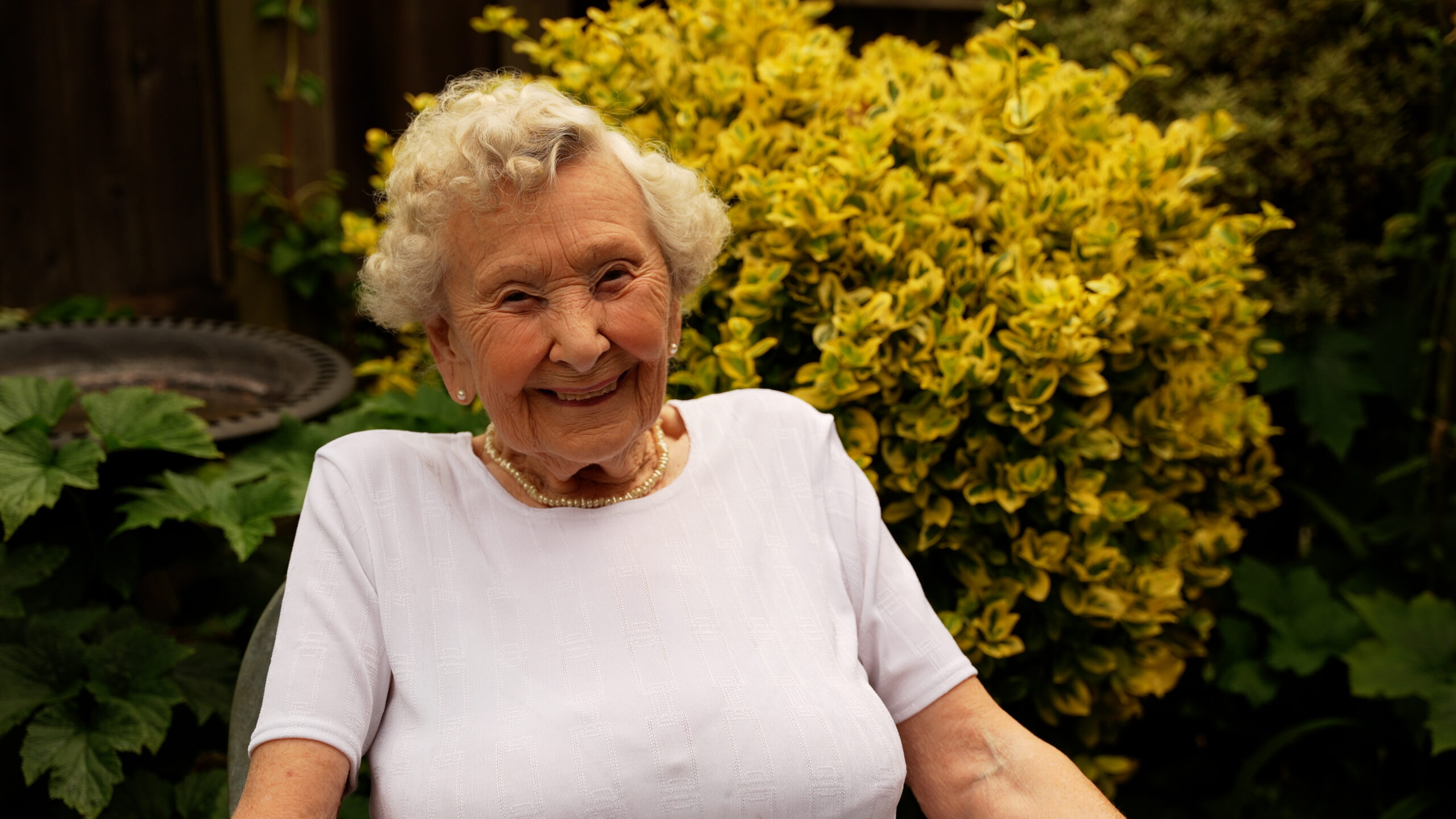
Jean’s stories were a gift. She was there in 1940 when thousands of battle weary French soldiers were evacuated to Weymouth. When school was closed and used as a processing centre she went with her mother to help them write postcards home. When the family moved to Fordington, two burly Scottish commandos were billeted to live there.
“They slept all day and scaled the cliffs at Lulworth by night as part of their training for D-Day,” she recalled.
On one occasion Jean came downstairs to breakfast to find her mother’s shopping basket full of hand grenades – and her mother in shock. She never did find out if they were live ones. She paints a vivid picture of the Americans in Dorset, armoured cars parked under every tree, and her patrol leader at Girl Guides used to sneak off to their camp in Came Woods to meet them after Guide sessions.
—
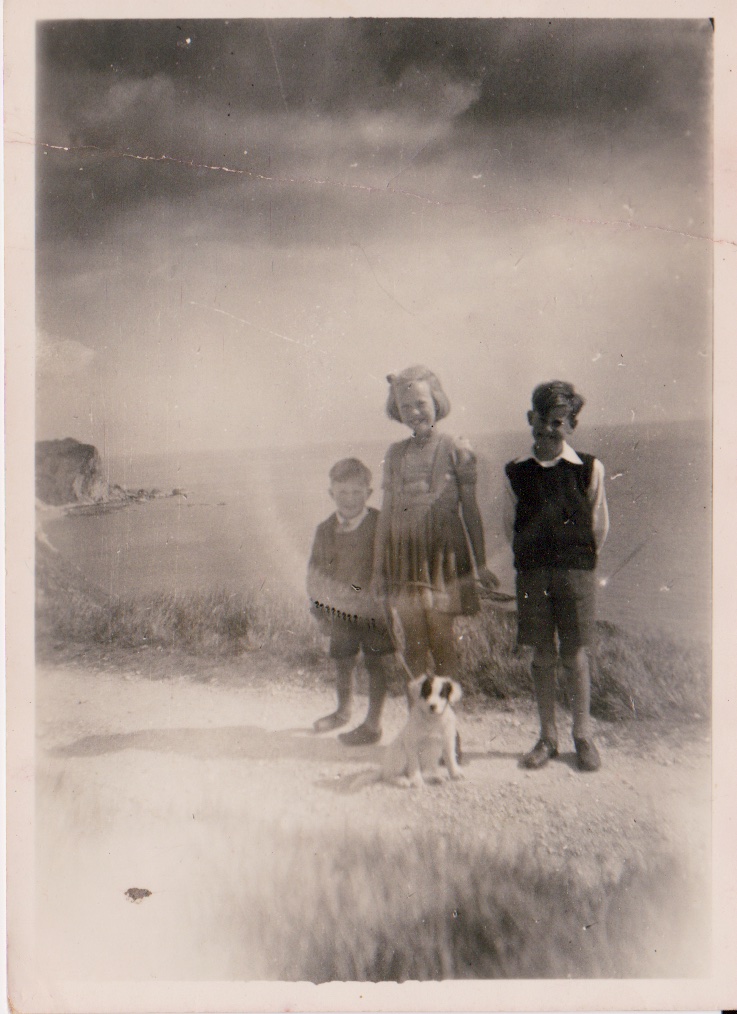
In contrast, Roy Martin from Wool was a boy of the country who caught rabbits and met Italian prisoners of War in Lulworth. He often stayed with his auntie at West Creech near Tynham and has poignant memories of her receiving notice to quit from the Army: three weeks to leave her farm in the bitter winter of 1943 to make way for US troops to train there.
—
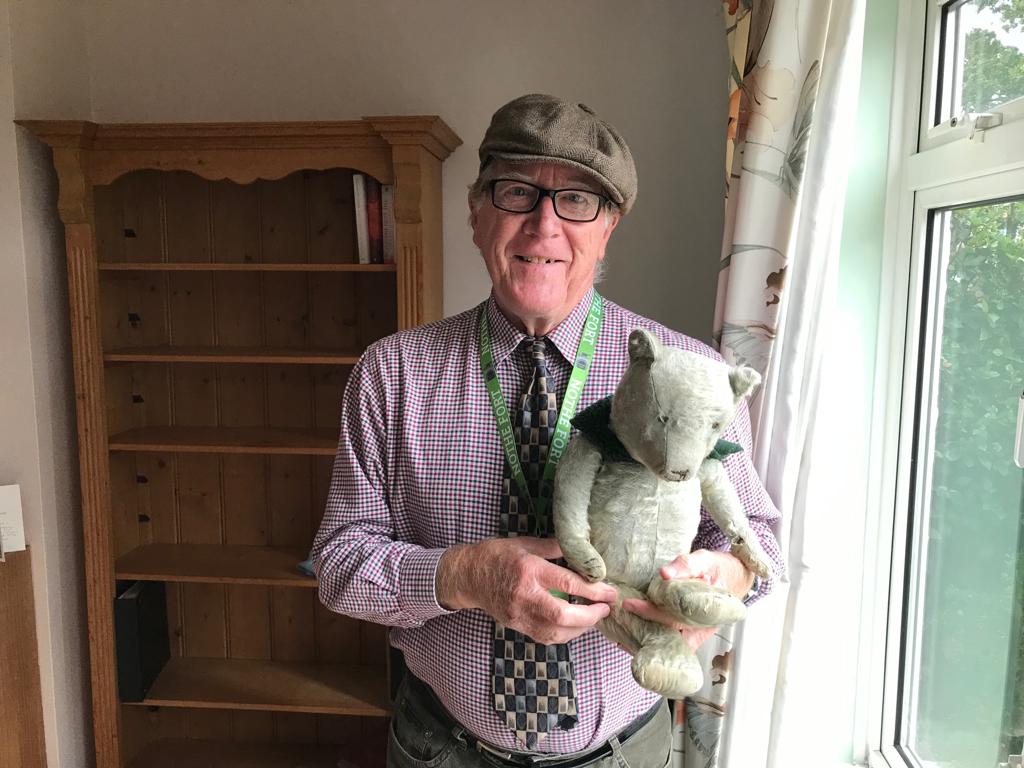
Geoff Kirby from Weymouth spent the war in London but has a collection of wonderful stories from childhood: dug out of their Anderson shelter, finding a live incendiary and putting it under his bed for safe keeping, eating the pet rabbit for tea. Too good not to include, we used dramatic licence to relocate his stories to Chapelhay in Weymouth where 800 homes were damaged in a raid which, as Jean recalled, had literally shaken the town.
—
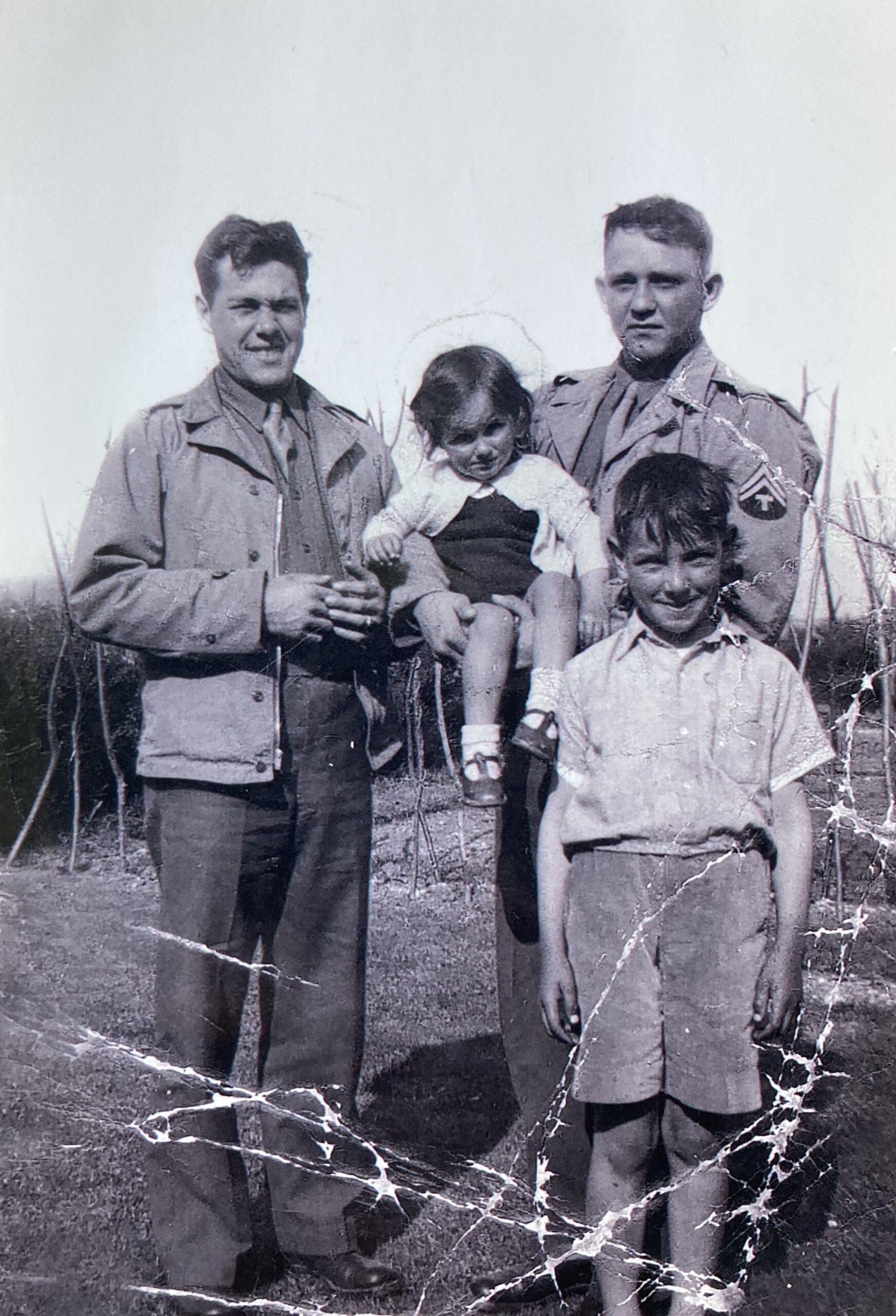
Our final wartime child was John Lomax whose parents invited American soldiers to tea from their camp at Redlands, and who with his best friend found an easy way to get into the pictures to see an A rated film: “Wait for a friendly GI to come along and say Hey Mister can we come in with you?”
Before we could think about making the drama, 100 children from the four schools had to get first hand experience of what life was like in those days and spend a day as an evacuee.
—
Historical note: In 1940 Weymouth opened its arms to tens of thousands of people from across the channel, Dutch, French and Belgians refugees, then thousands of Channel Islanders. “For some days Weymouth was almost like a French town,” one resident wrote to her friend in Canada.
—
In part 2: Turning recollections into audio drama. Can’t wait to listen? Click here for episode 1 on the dedicated web player: https://screen-play.co.uk/urlplay/?songid=1 or click here for the project on Amazon Music: https://music.amazon.co.uk/podcasts/db1b5745-1aec-4910-ba40-d43f23d7575f/children-of-world-war-two