

The first Saturday of June, as well as being an open day for the public, saw the Dorset History Centre raise its portcullis and host a celebration of Dorset’s people during the Civil War and the records that tell their stories.
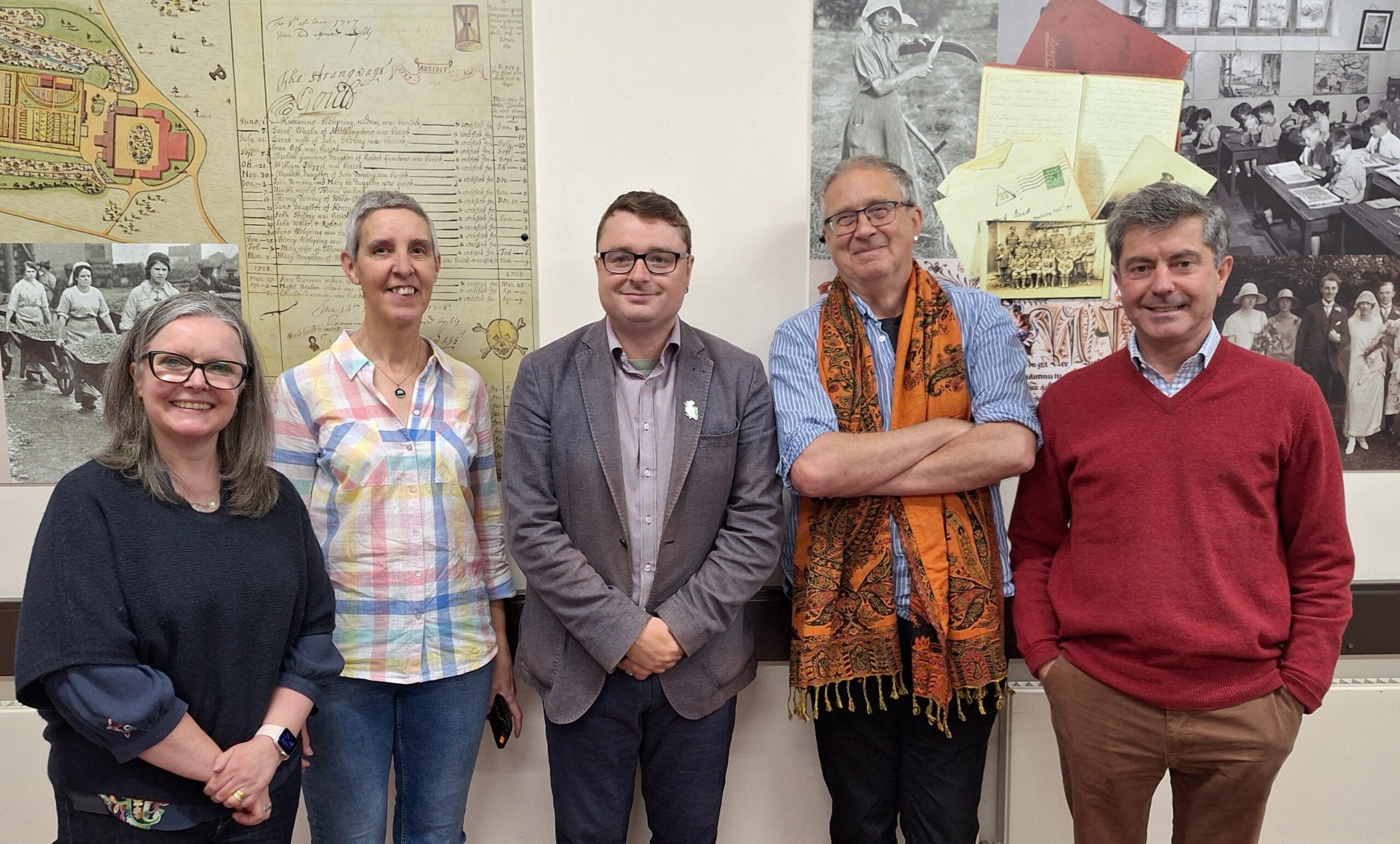
Proceedings were opened by Tim Goodwin, the county’s leading authority on this period, who argued that Dorset, often overlooked in studies of the conflict, offers a microcosm of the Civil War experience across England. Two engaging talks followed from postgraduate researcher double act Tom Gayton and Eamonn Welch. Together, they explored the culture wars and conflicts that shaped Dorset before and during the Civil War, highlighting two case studies: rural Gillingham Forest and the comparably more urban environment of Bridport.
A display of archival material at lunchtime included D-BKL/D/C/1-3, the records of the Dorset Standing Committee (1645–1650), described by Tim Goodwin as
“the jewel in the archives’ seventeenth-century crown”
Between tea and biscuits (which were kept appropriately away from original records), attendees were also drawn to D-1366, a richly detailed and colourful map of Gillingham Forest from 1624, which dominated three large tables.
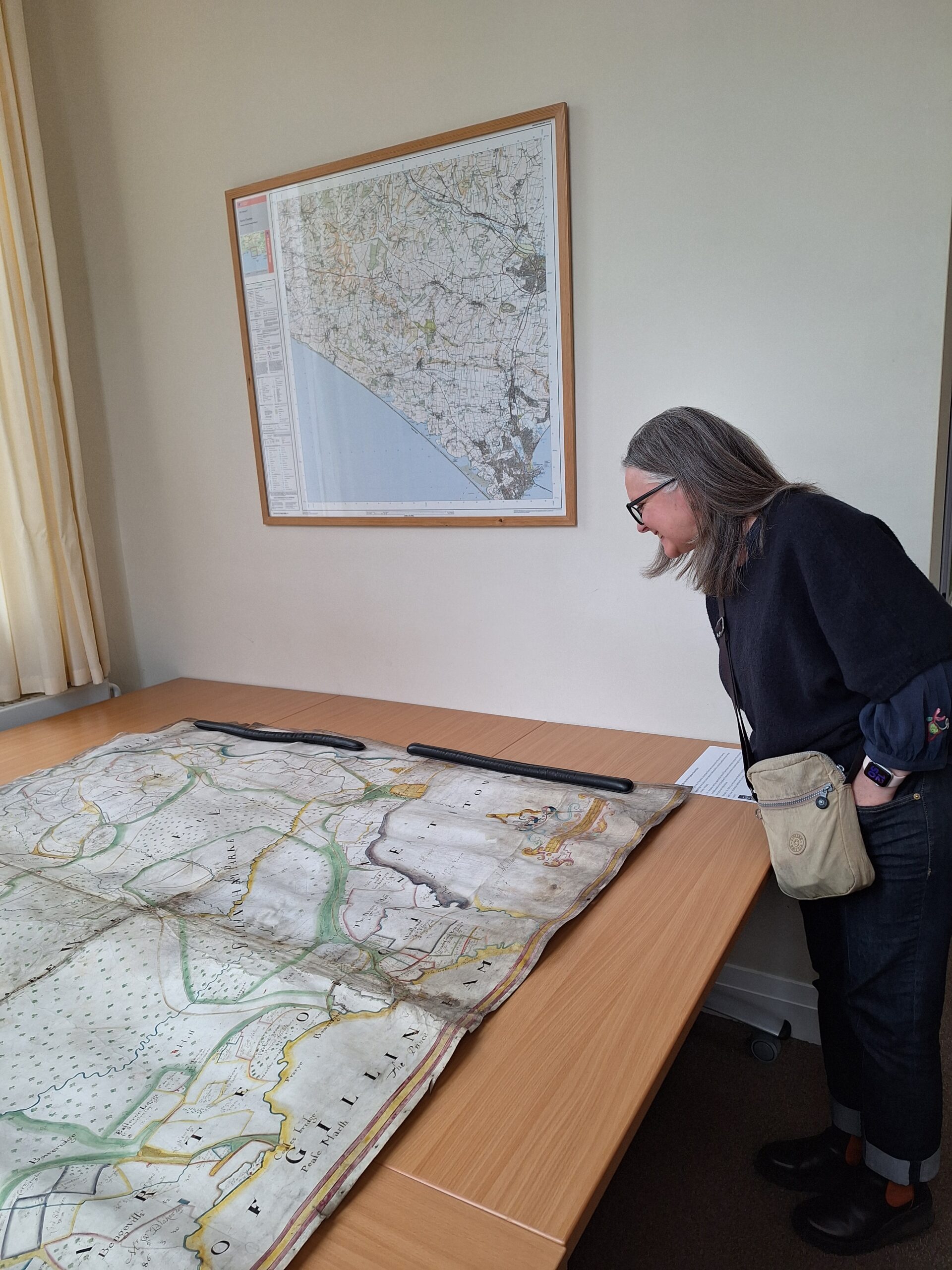
The map offers a striking reminder of an age fascinated by cartography. Both documents remain available to researchers and members of the public on request, demonstrating the connections that can still be forged with Dorset’s seventeenth-century inhabitants.
The afternoon session turned to the legacies of conflict and violence on both sides of the Atlantic. Dr Trixie Gadd explored the consequences faced by Dorset’s clergy following the Civil War, the most destructive conflict per capita in British history, surpassing even the First World War. The day concluded with a journey to New England through the captivity narrative of Mary Rowlandson, brought vividly to life by Dr Kathryn Gray. The English colonies are increasingly recognised as a theatre of the Wars of the Three Kingdoms and were closely connected to the activities of the Dorchester Company. As John White, the county towns’ seventeenth-century patriarch, famously argued, the colonies
“have their warrant from God’s direction and command”
Dr Gray’s talk encouraged attendees to reflect on how far warfare, politics, and England’s wider development had truly been turned on its head by the end of the seventeenth century.
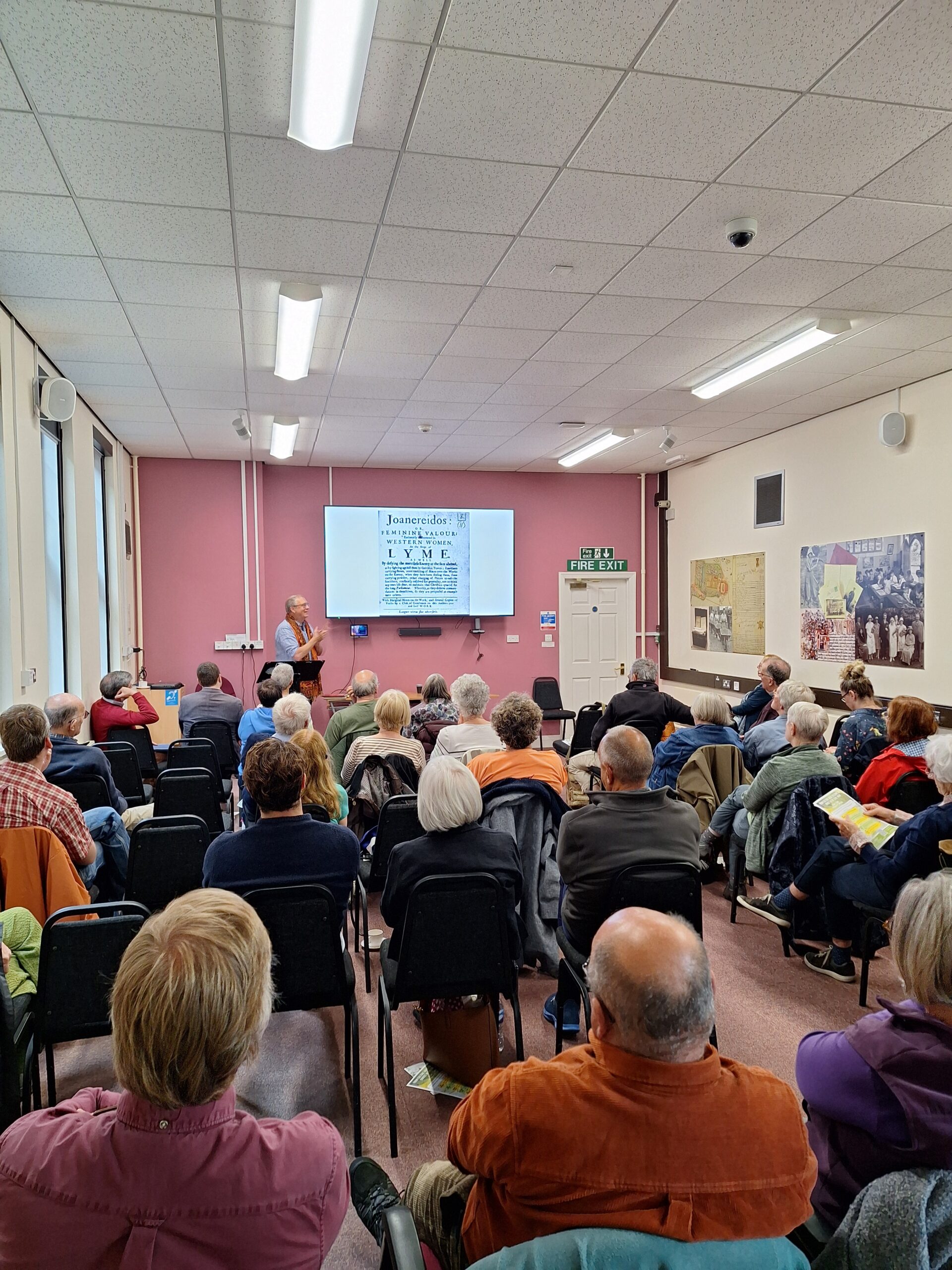
A great deal of credit should go to those who attended the Dorset History Centre’s first Civil War Day. Their thoughtful and searching questions reflect a growing interest in this often-overlooked yet pivotal period in the history of these islands, while also highlighting the continuing relevance of a conflict whose political, religious, and cultural divisions still have much to teach our kingdom today.
We hope that everyone who attended the day enjoyed themselves!
—
Thanks also to Tom Gayton for this write-up of the day!
If you are interested in writing a guest blog, please get in touch with us: archives@dorsetcouncil.gov.uk
My ancestor Sebastian Pitfield played a key part in the Civil War in Dorset. He was associated with Thomas Fairfax and participated in the siege of Corfe Castle.
I have more information about him if you, or the speakers/reseachers are interested.
Dear Michael, only just seen this message – but yes, please, I am interested. I have looked at your Pitfield/Pitfold website separately (very thorough, by the way) and would be interested in anything else you have on Sebastian Pitfield. He had a fascinating life which provides useful insights into the religious/social and political dynamics of Bridport and environs at this time. The DHC team at archives@dorsetcouncil.gov.uk have my personal email which they can pass to you? Regards, Eamonn Welch