

World postcard day is coming up on the 1st October and here at Dorset History Centre, we continue to be intrigued by our growing collection. A deltiologist’s dream, it incorporates virtually the entire history of this most fascinating medium.
Although the post office first introduced their own pre-stamped cards for short messages in 1870, it was not until 1st September 1894 that rules relaxed to allow private publication and the use through the mail with an adhesive stamp. And thus, the British pictorial postcard was born. An article from the Spectator newspaper of the period read:
“The illustrated postcard craze, like the influenza, has spread to these islands from the Continent, where it has been raging with considerable severity.”
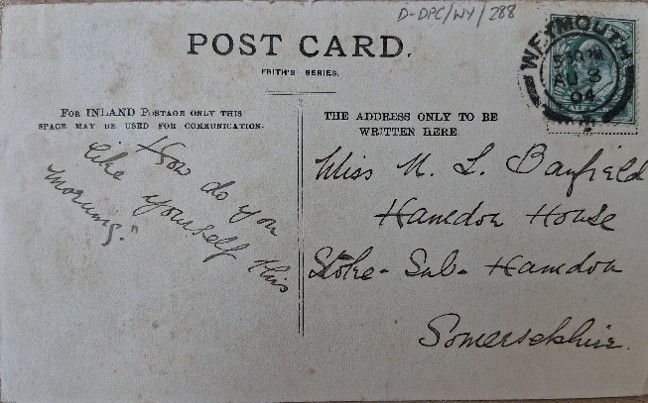
At this time, messages were written on the picture side of the card with the reverse reserved for the address and it was not until 1902 that the UK pioneered the split-back postcard, allowing for the message and address to be written on the back of the card for the first time with the front remaining dedicated to the image.
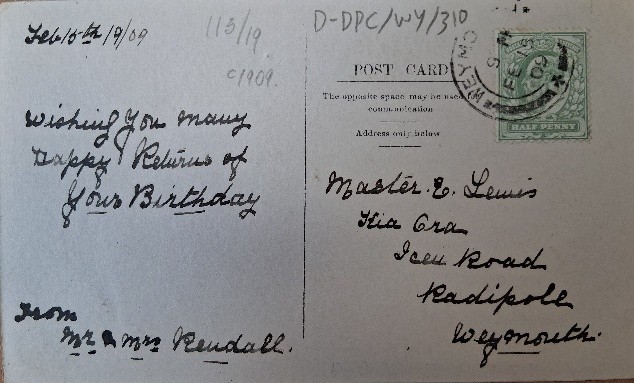
In an age before the widespread use of the telephone, postcards formed a cheap and effective means of communication. To send a letter, you needed to spend a penny but a postcard could be sent for half this amount and we have many cards in our collection stamped with the half-penny green. Postal deliveries were also more frequent; typically, up to seven per day with even more in major cities.
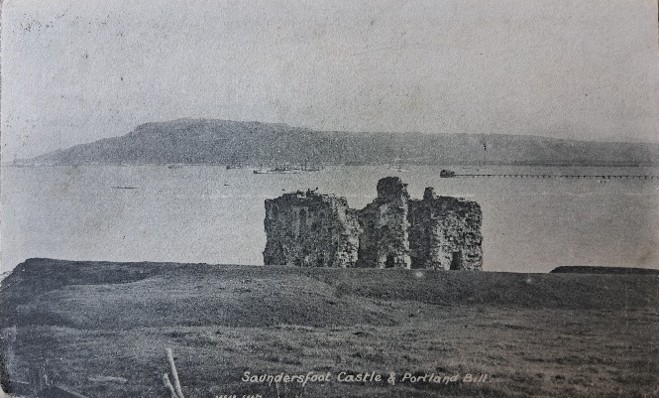
This led to purposes and usages that were vastly more eclectic (and sometimes more enigmatic!) than the standard ‘Greetings from….’ messages of today as these examples from our collection show:
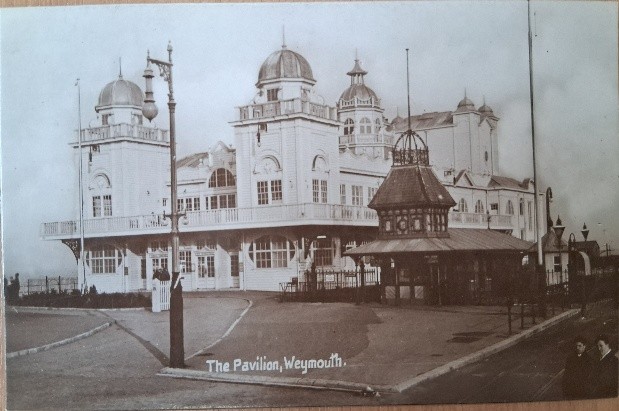
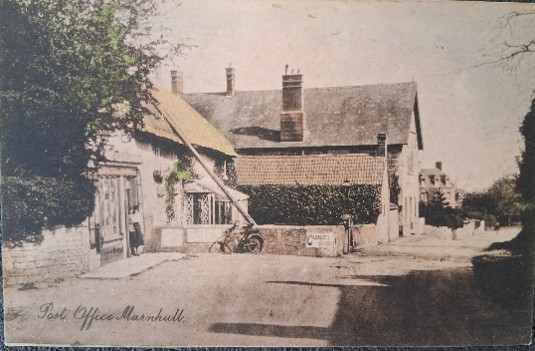
The convenience and affordability of the medium were central to the postcard’s success and an alluring image was a dispensable feature. Hence, far from being confined to tourist hotspots, we have postcards depicting some of the more obscure nooks and crannies of the county.
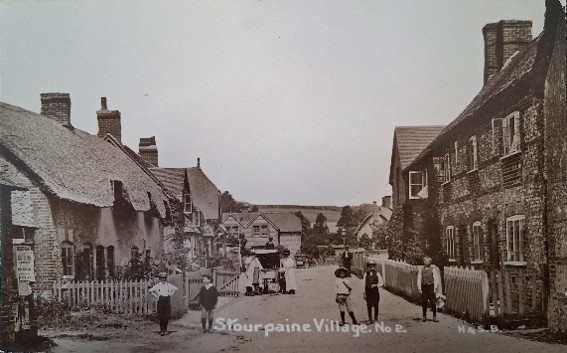
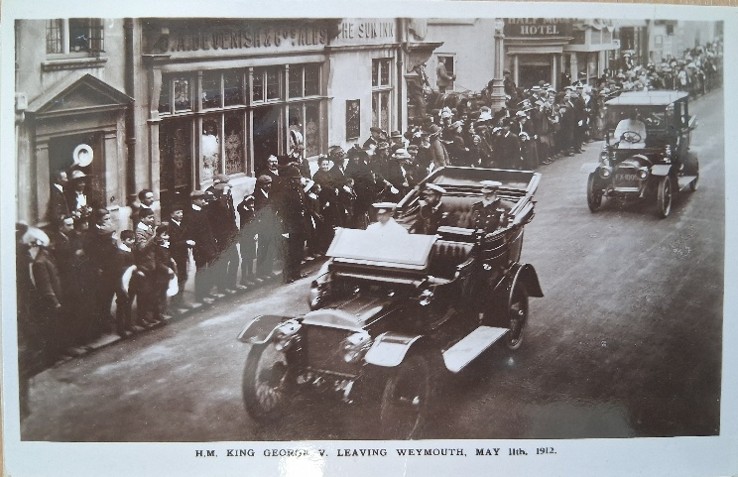
To capitalize on their popularity, postcards depicting notable events of the time were quickly printed and such cards fortify our collection with a vivid sense of history’s unceasing flow.
Early postcards were printed sketches or lithographic images, such as those of Sandsfoot Castle and Marnhull Post Office above, and the modern photochrom-style postcards, which reproduced photographic images in colour, did not emerge until the middle of the twentieth century.
Sadly, the postcard is now in decline with the number sent per year dropping from twenty million down to five million over the last twenty-five years. The good news is, we’re continuing to collect and preserve them for future generations to enjoy. If you haven’t seen some of our previous blogs, we’ve already taken a look at the postcards relating to:
Look out for future blogs exploring the postcards of different Dorset locations in the future!