

Back in April Dorset History Centre was awarded £603,777 by the National Lottery Heritage Fund to begin to develop a project which will result in the expansion of our repositories, the re-shaping of the public entrance to the building, and a whole range of outreach and engagement activities.
Since then things have been busy, as we have begun to lay the platform for the work happening in the development phase of the project. This has involved recruitment of project staff, and the beginning of different activities in different parts of the county.
Every month we are going to be bringing you updates from the Past Lives, Future Proofed project right here on our blog; but we want to start with this first post by outlining the time-frame for the project, when you can expect to see or hear certain things happening, and what we mean when we talk about the project strands.
The Development Phase
The Development Phase of the project happens across the first 18 months of the project’s life. In this phase, we are undertaking a lot of scoping work, testing out ideas and seeing what works.
As part of our submission to the National Lottery, we have developed a large, multi-strand, outreach and engagement plan, and through the course of this part of the project we will be working with different groups to see what projects we want to pursue into the Delivery Phase of the project.
At the end of the Development Phase we have to write and submit a Round 2 bid to the National Lottery, something which will be informed by all the activities and work which has happened in this initial 18 month window.
The Delivery Phase
Hopefully commencing in spring 2028, this phase of the project will see many different things happening at once. The major thing which will happen is that the building works will commence, with work our our new repository and redevelopment work on the front entrance to the building starting. Alongside this, the project and outreach work which will have been scoped in the Development Phase will be taken forward and elaborated upon, building upon all the things which are, and will be, learned in the first phase of the project.
This phase will last about two years, with the project due to complete in the summer of 2030.
The Project Strands
The outreach and engagement part of the project (which will be distinct to the building works element of the project) comprises of four key areas of activity, which we will introduce you to in more depth in future blogs. These strands are:
- Digital Leader
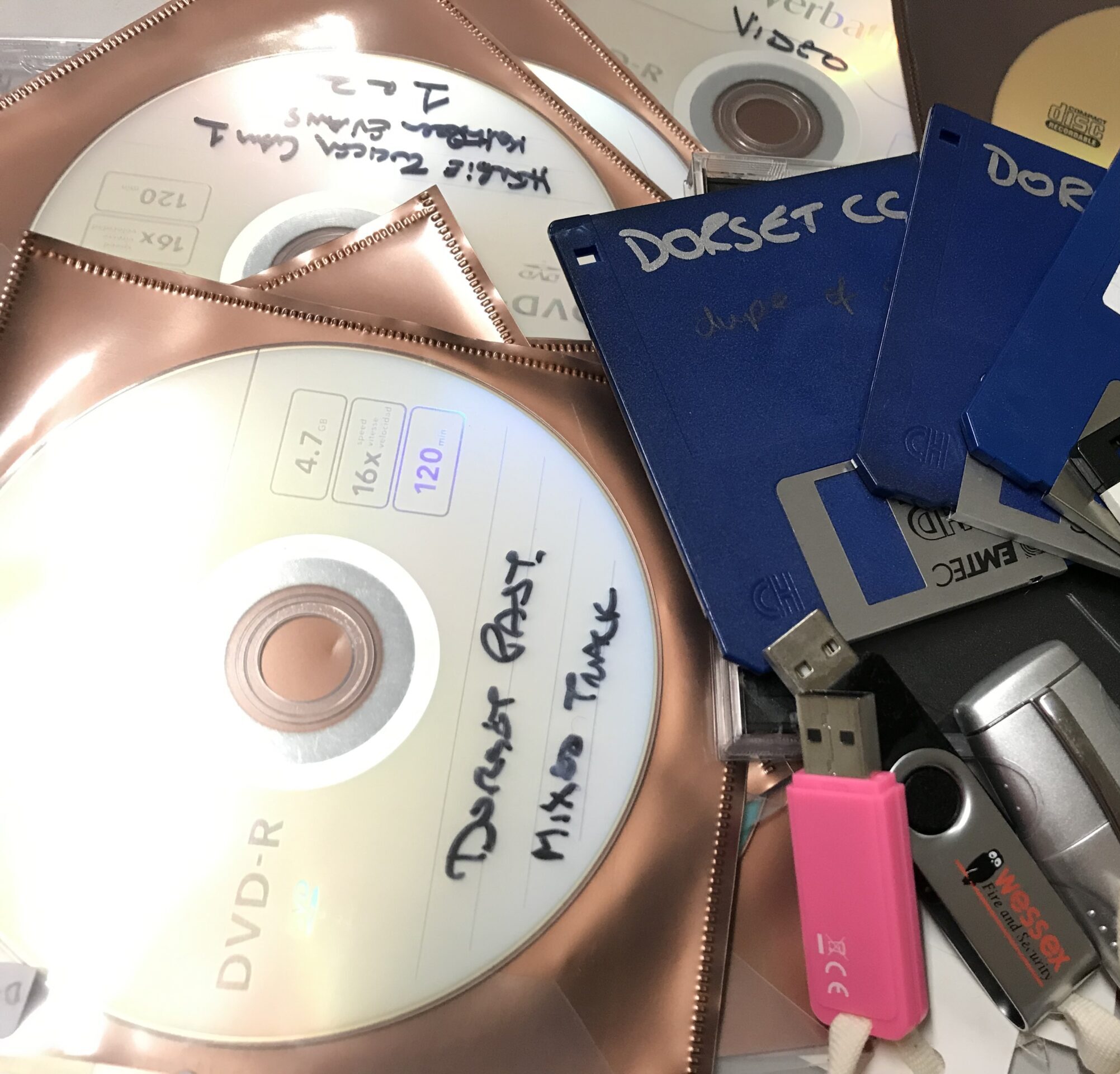
- In this strand we will use our expertise to help a variety of voluntary and community sector organisations preserve their digital archives. We will also capture stories from Voluntary and Community Sector (VCS) organisations which are missing from formal written records in the form of oral history interviews with organisation leaders. We will also share knowledge and skills in both oral history and digital preservation with heritage partners such as museums and community archives.
- Mind the Gaps
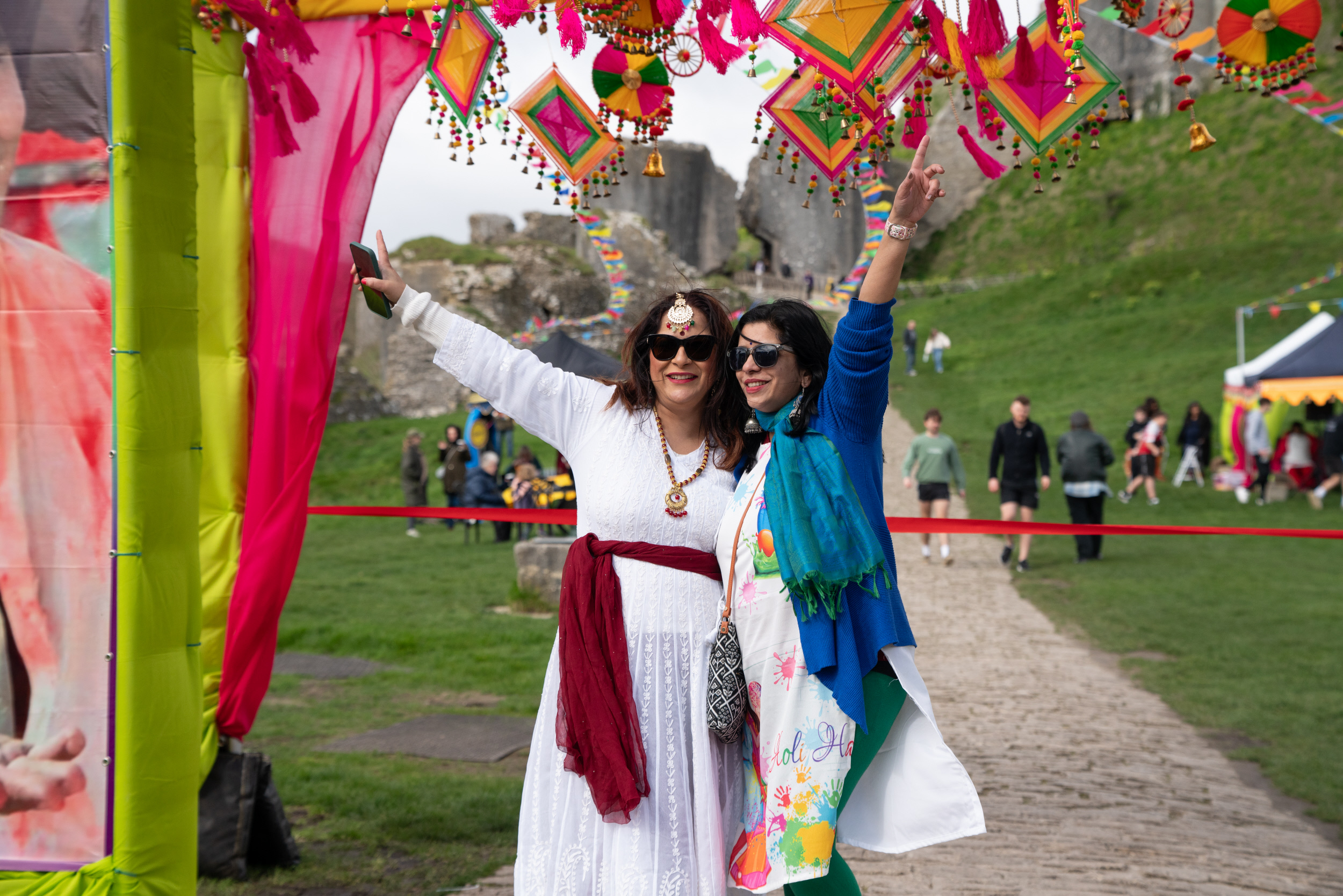
- Dorset History Centre has analysed its existing collections and identified significant gaps in the representation of certain communities. These reflect historic power imbalances and inequalities in access to time, skills and resources to create archives. In this strand we will work to address these gaps by working particularly with global majority communities (including Gypsy, Romany and Traveller communities) and with lower income, working people. There are, of course, other gaps, for example relating to sexual orientation, which we will aim to address in other strands of this project. The democratisation and diversification of what we collect will hopefully encourage new audiences to engage with archives in the future.
- Archives for Arts’ Sake
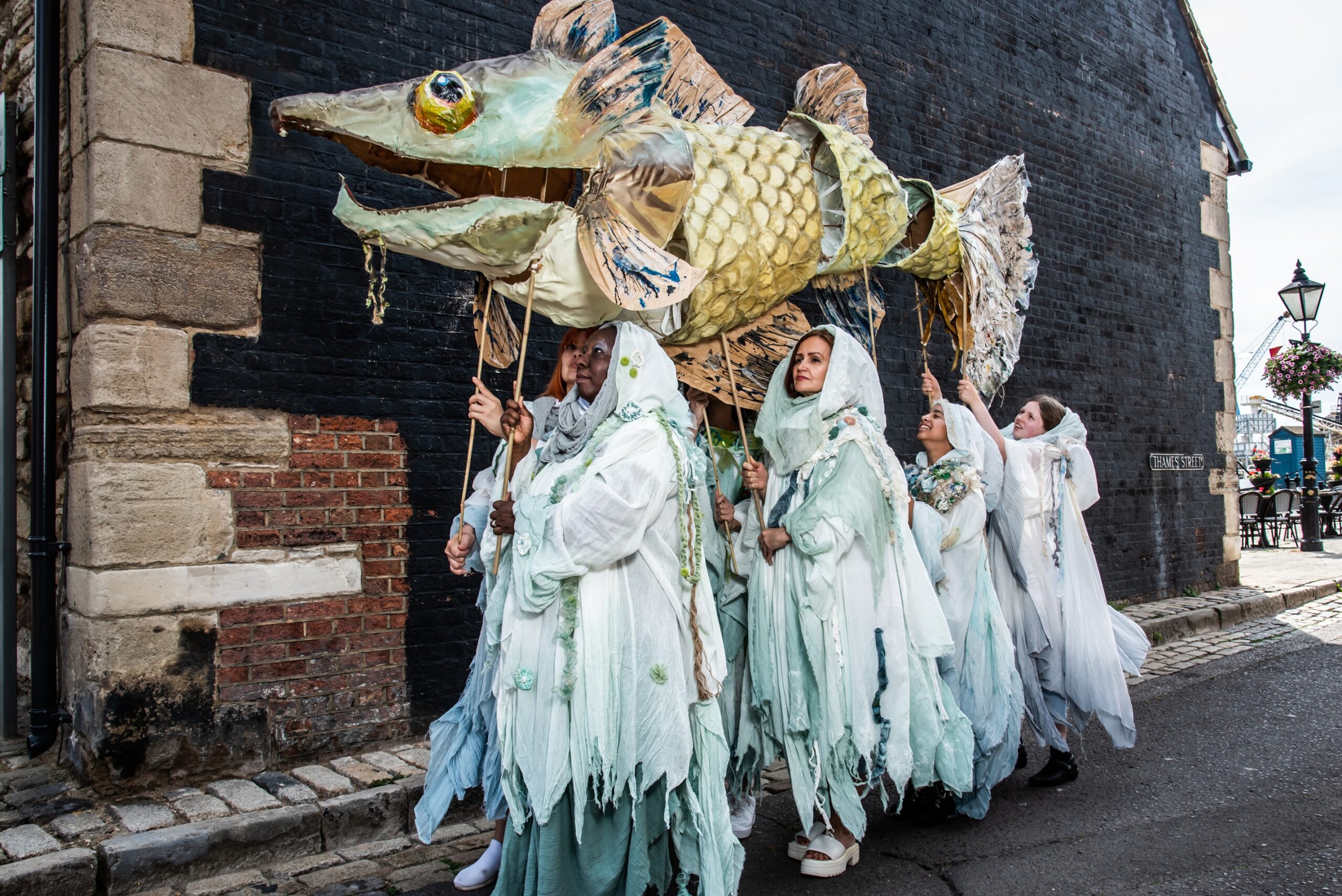
- Dorset History Centre is home to several internationally important collections of artists’ and creatives’ archives, such as Elisabeth Frink, Poole Pottery and authors such as Thomas Hardy and Sylvia Townsend-Warner. We aim to build on our strong record in archiving the arts in Dorset by collecting archives from arts venues, using Poole Lighthouse as a pilot. These collections will represent the range of arts activities, venues, organisations and individual artists seen in the county since the 1980’s. As part of this strand we plan to undertake photography of Pride events to help diversify our holdings to reflect more experiences of LGBTQ+ communities, who are underrepresented in our collections. We also wish to explore the benefits of the arts for well-being, working with both older and younger people with health and well-being challenges.
- Life and Crimes
- The records of the court of Quarter Sessions dating from 1625 are the most complete record of civil administration and criminal justice available for Dorset. The collection could illuminate many aspects of Dorset’s social, administrative, judicial and family history. The Session Rolls (dating back to 1709) however remain uncatalogued and underused – the bulk of these records are contained within tightly bound rolls of parchment and/or paper, and require conservation, cataloguing and digitisation to make them accessible to a wide range of audiences. Those dating from 1709-1845 are in most need of conservation prior to cataloguing and digitisation.

As the project takes shape around these four strands of activity, we will be able to share more about the different events, activities, and work which will be happening relating to each of them. We will let you know who we are working with, and what the outcomes will be.
The Dorset History Centre blog will be the place that we will aim to keep you updated with the latest news as the project unfolds. In October we will explain some of the work which has been happening up-to this point, so do join us again next month to learn more about the project after its first few months!